Select Language
× English
 ไทย
ไทย
 中文 (简体)
 中文 (繁體)
 廣東話
廣東話
 日本語
日本語
 한국어
한국어
 हिन्दी
 العربية
 বাংলা
বাংলা
 اردو
اردو
 فارسی
فارسی
 Русский
 Deutsch
 Français
 Español
 Português
 Italiano
 Türkçe
 Tiếng Việt
 Bahasa Indonesia
 Bahasa Melayu
Alpha Wave Learning™
How to Absorb Languages Like a Child
Children pick up languages effortlessly because they naturally learn in relaxed alpha wave states—a brain condition perfect for language absorption. Babbly's Alpha Wave Learning™ recreates this natural state through calming ASMR environments and gentle exposure sessions. Instead of stressful memorisation, you absorb language patterns just as your brain prefers: relaxed, natural, and truly effective. When your brain enters the alpha state, it becomes exceptionally skilled at recognising patterns and consolidating new memory, turning brief exposure into permanent knowledge.

How to Use Alpha Wave Learning™
Your 5–15 Minute Daily Relaxation Sessions


Find Your Relaxed State
Choose moments when you feel naturally calm and unhurried:
- Morning moments: Just after waking up (hypnopompic state), before you start your daily routine
- Evening wind-down: As you get ready for bed and your mind settles
- Peaceful breaks: Any time you feel relaxed and aren’t rushing anywhere
Avoid using Alpha Wave Learning™ when you’re stressed, anxious, or pressed for time. The goal is gentle absorption, not intense study.

Select Your Alpha Scene
Pick from our custom-designed environments, which include:
- Subtle moving visuals: Soft animations that enhance relaxation without distraction
- ASMR soundscapes: Carefully layered sounds designed to boost dopamine and endorphin levels while lowering cortisol (your stress hormone)
- Culturally authentic settings: Immersive backgrounds that match the language you’re learning

Let Your Brain Absorb
Listen to conversations and patterns in the language without trying to force memorisation:
- Don’t concentrate intensely: allow the sounds to flow naturally around you
- Light activities welcome: Walking, gentle stretches, or simple tasks that don’t need much thinking
- Avoid demanding activities: No work calls, deep thinking, or anything stressful
The aim is to give your brain as much exposure to the new language as needed, letting it unconsciously recognise patterns in a completely natural way.

Keep Sessions Short and Sweet
5–15 minutes per day is ideal for absorbing language sounds. Over time, your brain becomes tuned to these new language patterns, making it easier to recognise, remember, and eventually use them correctly in real conversations.
If you’d like the scientific explanation for why this works so well, check out the brain science section below.

























The Science Behind Alpha Brain Waves

Your brain runs on different electrical frequencies depending on your state of mind. Each affects learning in very different ways:
Beta Waves (13–30 Hz) – The "Stress State":
- High alertness and strong focus
- Analysing and problem-solving
- Critical thinking and judgement
- The issue: Beta states trigger the release of cortisol, blocking new information from moving into long-term memory
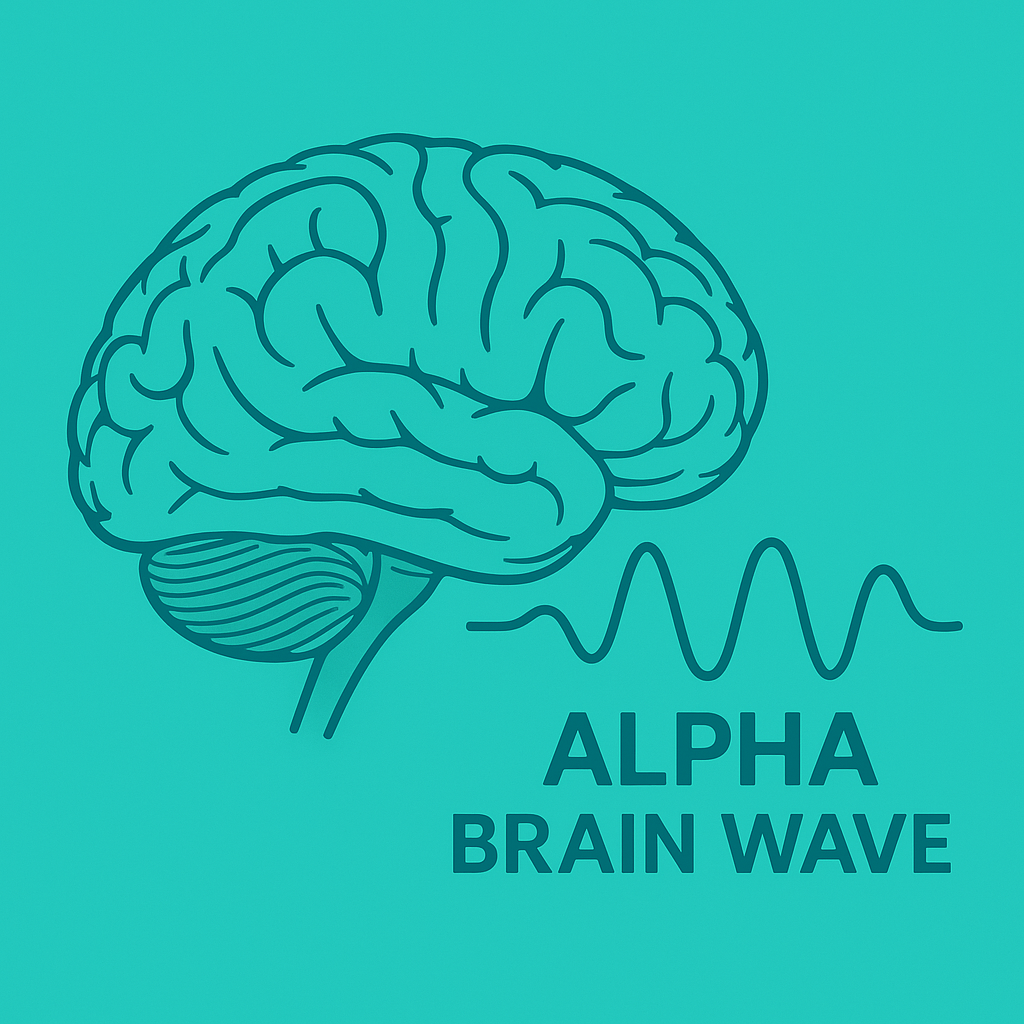
Alpha Waves (8–13 Hz) – The "Absorption State":
- Relaxed awareness, without feeling drowsy
- Heightened ability to spot patterns
- Ideal for memory consolidation
- The benefit: Alpha states supercharge your brain’s ability to naturally absorb and retain new information

Brain Wave Research in Learning: Multiple studies have highlighted how the alpha brain wave state leads to significantly better learning, with people in this state showing much higher retention and faster language absorption than those in the stressed, beta state.
Language Processing Studies (Dr Patricia Kuhl, University of Washington): Research on early language acquisition in children shows their natural learning states are fundamentally different from the analytical approach adults use—producing far better results in acquiring new languages.
Alpha Wave and Memory Research (Dr Wolfgang Klimesch, University of Salzburg): Extensive EEG studies confirm that alpha frequencies are crucial for transferring knowledge from your working memory to long-term storage, with higher alpha activity bringing major improvements in memory retention.

Whenever you’re under pressure—cramming for exams, sticking to learning streaks, or up against deadlines—your brain switches into beta wave mode. This might help you cram short-term facts, but it has a critical downside:
The Cramming Trap: Imagine a student frantically going through notes before an exam. They might remember everything for the test, but most of it will vanish within days. This happens because the stress hormone (cortisol) literally blocks information from moving from short-term to long-term memory.
Dr Robert Sapolsky’s Stress Research (Stanford University): Extensive research shows that high cortisol levels can actually shrink the hippocampus (the brain’s memory centre) and greatly disrupt memory retention. Again and again, studies show that students under pressure retain much less than those learning in a relaxed state.
The Cortisol Block: When under stress, your adrenal glands pump out cortisol, which:
- Shuts down your hippocampus (where memories form)
- Interrupts the transfer from short-term to long-term storage
- Creates negative associations with learning, making the cycle repeat itself
The Beta Wave Loop: Stressful learning makes you depend on:
- Constant repetition and drilling
- External pressure to stay “motivated”
- Analysis instead of naturally absorbing patterns
This doesn’t mean all structure is bad—it’s about striking a healthy balance:
Helpful When Stress-Free:
- Learning streaks that genuinely feel rewarding
- Gentle reminders that nudge, never nag
- Competing in a way that feels friendly and fun
- Personal goals that encourage more learning, not anxiety
Harmful When Stressful:
- Streak pressure that creates “fear of breaking the chain”
- Rigid routines that don’t fit your life’s natural flow
- Competition that inspires anxiety or self-doubt
- Perfectionism that prevents you from experimenting
The most important thing: if learning ever feels pressured or tense, those feelings themselves are blocking your brain’s natural learning powers.