Select Language
× English
 ไทย
ไทย
 中文 (简体)
 中文 (繁體)
 廣東話
廣東話
 日本語
日本語
 한국어
한국어
 हिन्दी
 العربية
 বাংলা
বাংলা
 اردو
اردو
 فارسی
فارسی
 Русский
 Deutsch
 Français
 Español
 Português
 Italiano
 Türkçe
 Tiếng Việt
 Bahasa Indonesia
 Bahasa Melayu
Babbly SRS™
Why You'll Never Forget Vocabulary Again
Ever wondered why you can effortlessly recall song lyrics from a decade ago, yet forget the Spanish word for 'butterfly' just moments after learning it? The secret lies in the way your brain processes and stores memories. Babbly SRS™ uses the proven power of spaced repetition—showing you vocabulary precisely when your brain is ready to remember it best. We've taken this further by making each review relevant to your personal experience, helping you remember words not just for exams, but for life.

Why Your Brain Forgets (And How to Fight Back)


The Problem: Your Memory Has an Expiration Date
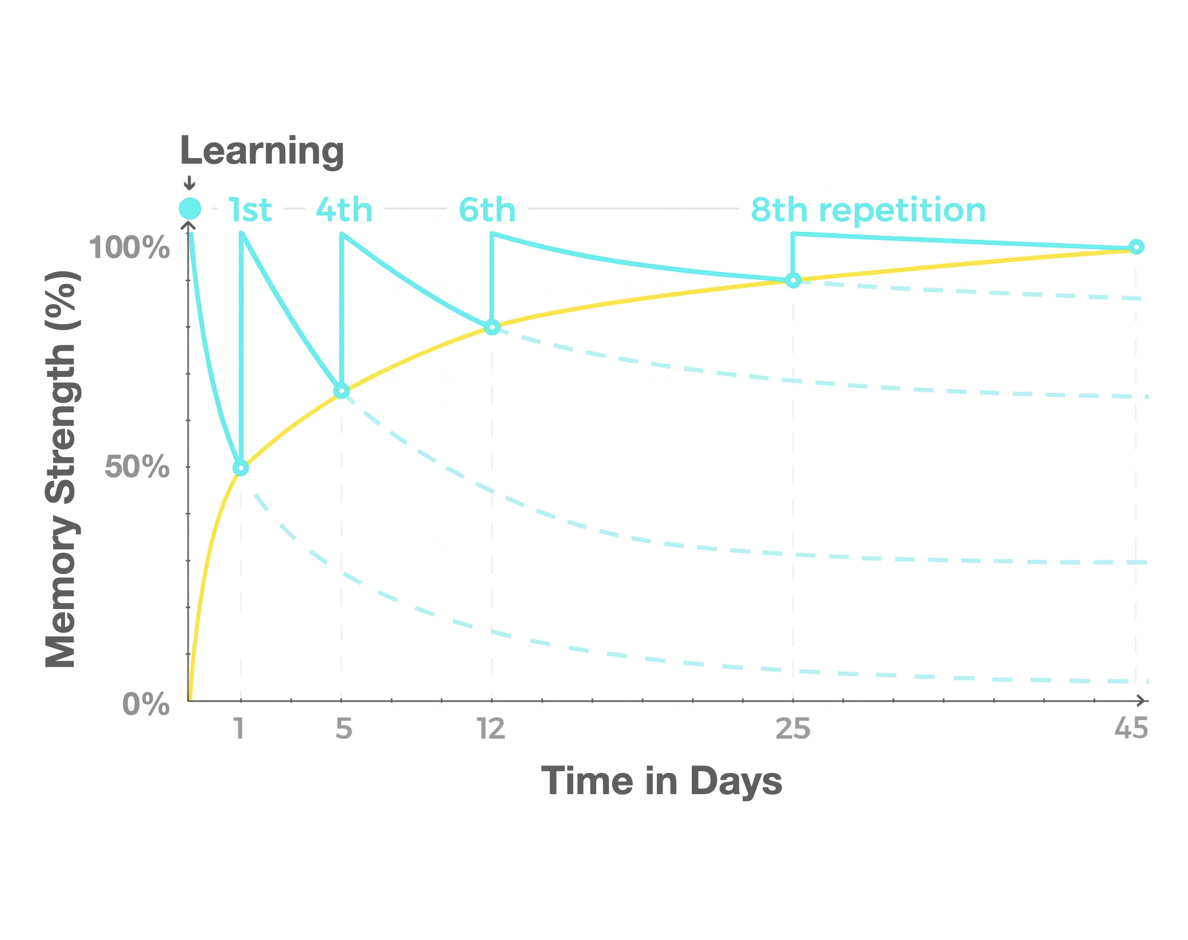
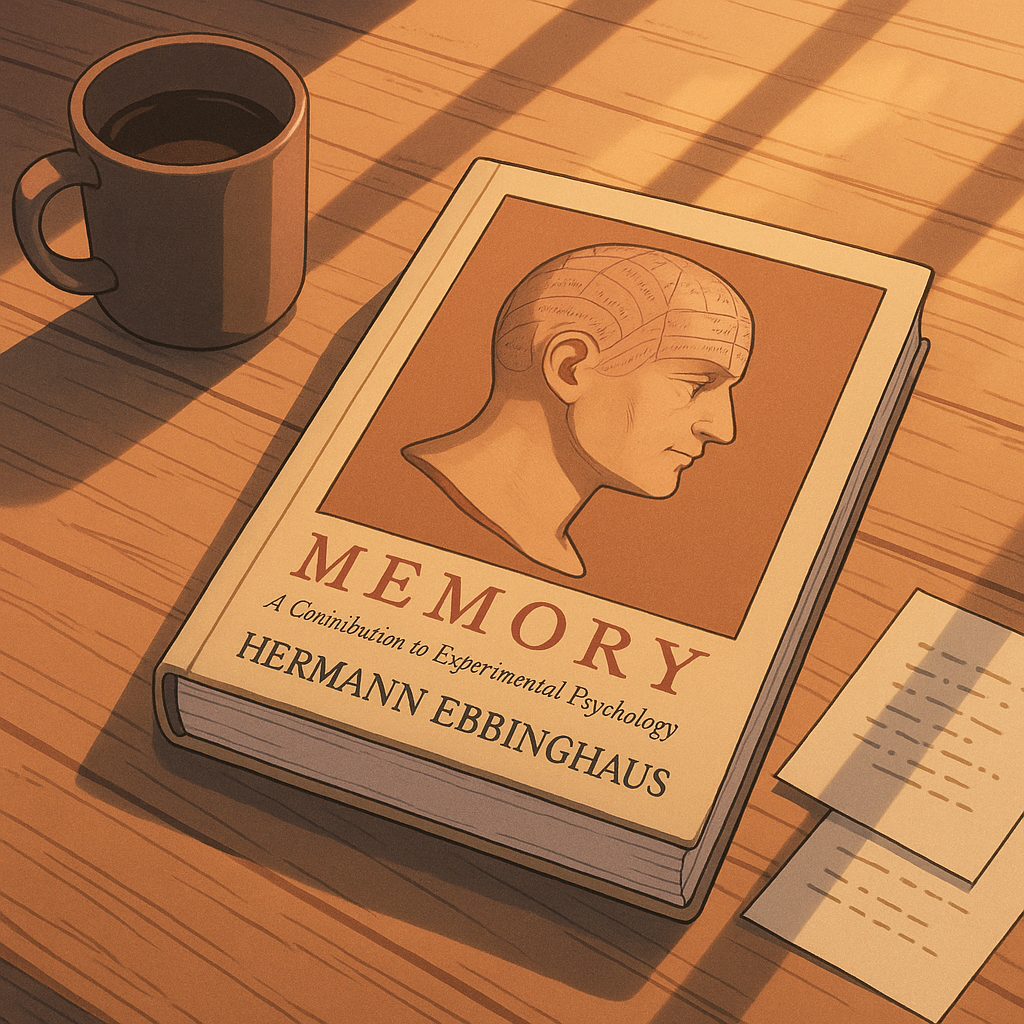
In 1885, a dedicated German psychologist named Hermann Ebbinghaus made a discovery that transformed our understanding of memory. He spent five years testing his own recall, and found that our brains are wired to forget.
Here's what happens when you learn something new but don't review it:
- After 20 minutes: Almost half forgotten already
- After 1 day: 70% is gone
- After 1 week: Less than 10% remembered
Sound familiar? This explains why cramming before an exam doesn’t work long-term, and why vocabulary slips away so quickly.
The Solution: Spaced Repetition Systems (SRS)
But Ebbinghaus also discovered something fascinating: by reviewing information at just the right moments, you can retain it indefinitely.
Think of your memory as a campfire. Without fuel, it quickly fades. But if you add a log at just the right time—not too early, not too late—the fire gets stronger and needs less wood each time.
This is exactly how SRS works:
- Review 1: Significantly boosts memory
- Review 2: Makes it even stronger with less effort
- Review 3: Stores it in long-term memory
- Review 4+: Maintenance mode—minimal effort, maximum retention
The magic: Every successful review extends the next interval. Soon you’ll remember words for months or even years with just occasional practice.
Why SRS is a Game-Changer for Language Learning
Modern studies show that spaced repetition:
- Cuts study time by 70% while increasing retention
- Transfers knowledge to long-term memory for good
- Works for all subjects but is especially powerful for vocabulary
- Adapts to your personal forgetting curve
It’s not just theory—millions of students, doctors, and language learners around the world use SRS to master huge amounts of information efficiently.
Where Traditional SRS Falls Short
Traditional SRS is already a huge leap forward—like swapping a horse-drawn cart for a car. But imagine if that car treated every passenger the same, whether they’re a marathon runner or have a broken leg.
That’s what happens with most SRS systems. They simply say: 'If you get it right, wait longer. If you get it wrong, review sooner.' It’s helpful, but misses key insights about you and the specific words you’re learning.
The One-Size-Fits-All Problem
Traditional SRS doesn’t account for:

- Mastering hello vs. serendipity should feel very different
- Everyday words need different care than those you’ll use just once a year
- Abstract terms like democracy need more reinforcement than everyday nouns like apple

- You might be great at verbs, but find adjectives harder
- You may recall words better from conversations than from flashcards
- Your mind may be sharper on Monday morning than Friday night

- Did you learn café while ordering coffee, or from a list?
- Words learned during emotional moments stick better
- Professional vocabulary related to your job gets processed differently
Traditional SRS has you spending time reviewing words you already know, while tricky ones get overlooked. It's efficient, but it could be much smarter.
Babbly SRS™: Your Personal Memory Coach
This is where Babbly SRS™ changes everything. Rather than treating you like everyone else, we treat you as the unique individual you are.













Every word in your vocabulary is analysed in a range of ways:
How Hard is This Word?
- Easy words like cat or hello don’t need much focus
- Challenging words like serendipity or antidisestablishmentarianism need extra support
- Abstract ideas like freedom are treated differently to concrete words like chair
How Often Will You Use It?
- Daily essentials like coffee and please need regular practise
- Specialist words like pterodactyl can have longer gaps between reviews
- Your work vocabulary is prioritised based on your career
How Did You Learn It?
- Words picked up in real conversations stay with you longer than flashcards
- Vocabulary linked to personal experiences or emotions gets special treatment
- Learning with real context (like ordering food in Italian) creates stronger memories
What really makes Babbly SRS™ intelligent is that it learns with you.
It Spots Your Strengths and Struggles:
- If you’re great with verb forms but struggle with adjectives, the system adapts
- Words learned in real conversations are reviewed differently from academic ones
- Your best times and energy levels decide when words appear
It Fits Around Your Life:
- Heading to Japan next month? Japanese words will take top priority
- New job? Work terms become more frequent in reviews
- Your review times flex around your everyday needs
Traditional apps only ask Did you get it right?—Babbly SRS™ takes in the whole context:
- Where did you come across this word?
- When do you normally use it?
- How does it link to words you already know?
- Why is it important for your goals?
Real-world example:
- Traditional SRS: Review café in 3 days
- Babbly SRS™: Review café tomorrow morning (you remember food words best in the morning), and put it in the situation of ordering breakfast (learnt while in Paris), plus group it with croissant (words learned together stick together)
Common Questions
A: It isn't harmful, but it's not ideal. Your brain holds onto memories best when you recall something just as you’re about to forget it—that’s the sweet spot that makes spaced repetition work. Think of it like watering a plant: too soon and you’re wasting water, too late and it wilts. Babbly SRS™ finds that just-right moment for you.
A: That’s completely normal and actually useful! Babbly SRS™ sees repeated mistakes as learning data, not failure. It will:
- Review that word more often with shorter intervals until you master it
- Show it in different contexts to help it 'click'
- Adapt future words based on what you find difficult
Remember: struggling with tough words is part of the process—not a sign you’re failing.
A: Great question! Words you use most often (like hello or thanks) need regular attention because you see them in daily life. Rare words (like pterodactyl) can wait longer between revisits. It’s like looking after a car—commuter cars need more check-ups than weekend classics.
A: Life happens, and Babbly SRS™ understands! When you return:
- The most important words pop up first
- Less crucial vocabulary waits its turn
- Your routine returns to normal over the next few days
- Your progress isn’t lost—just paused until you’re ready
A: Not at all! Beginners actually benefit most from the right spacing, as you’re building habits from day one. The system starts simple and grows as you do, making sure you don’t spend too long on easy words and miss the chance to tackle trickier ones.
A: Think of those apps as basic calendar reminders: Review every X days. Babbly SRS™ is more like a personal coach—it knows your style, your goals, and exactly how every word fits your life. It's like following a workout routine designed just for you, instead of a generic gym plan.
A: That’s where Babbly SRS™ shines! Planning a business trip? Vocabulary like meetings and presentations jumps to the top. Learning for travel? Food, directions, and hotel words move up your list. Babbly understands that learning a language isn’t just memorising words—it’s about being ready for real moments in life.